Archive
69 pieces of security research, engineering and field notes.
CVE-2026-3356 exposes a design-level authentication failure across Anritsu's entire Remote Spectrum Monitor line. CVSS 9.3, all versions affected, no fix planned.
A 59.8 MB source map in Claude Code v2.1.88 exposed 512,000 lines of Anthropic's proprietary TypeScript to anyone with an npm account. Clean-room rewrites and decentralised mirrors made DMCA takedowns futile.
CVE-2026-3055, a critical out-of-bounds read in Citrix NetScaler ADC and Gateway, is being actively exploited. CISA has added it to the KEV catalog.
MCPHub shipped every installation with the hardcoded credential admin/admin123 and published it in the README. The fix generates a cryptographically random password per instance.
CVE-2026-3055, a CVSS 9.3 memory overread in Citrix NetScaler ADC and Gateway configured as SAML IDPs, is drawing active reconnaissance. Attackers are probing authentication endpoints to identify vulnerable appliances.
LightRAG's Memgraph storage backend interpolated unsanitised entity types directly into Cypher queries, enabling injection via the API. The Neo4j backend was already fixed.
CISA added CVE-2025-53521 to the Known Exploited Vulnerabilities catalog on 27 March 2026 after confirming active exploitation of this CVSS 9.8 RCE in F5 BIG-IP. Affected versions span three major branches.
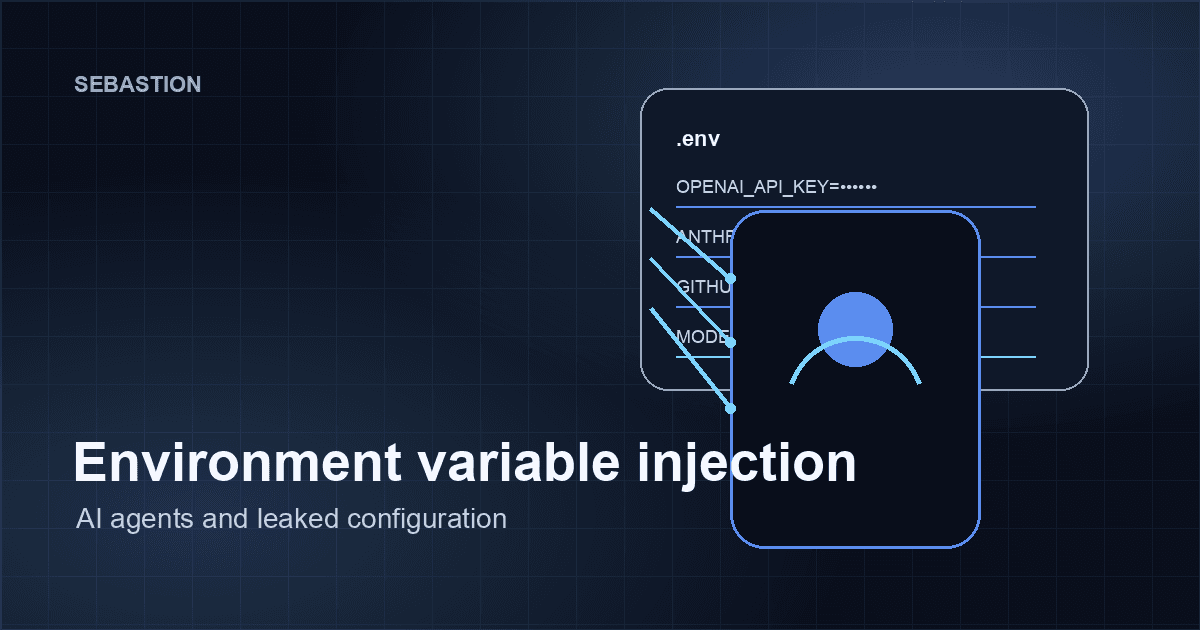
AI agent frameworks and deployment tools keep shipping the same environment variable injection patterns that operational tooling solved years ago. The gptme fix was one project. The pattern is everywhere.
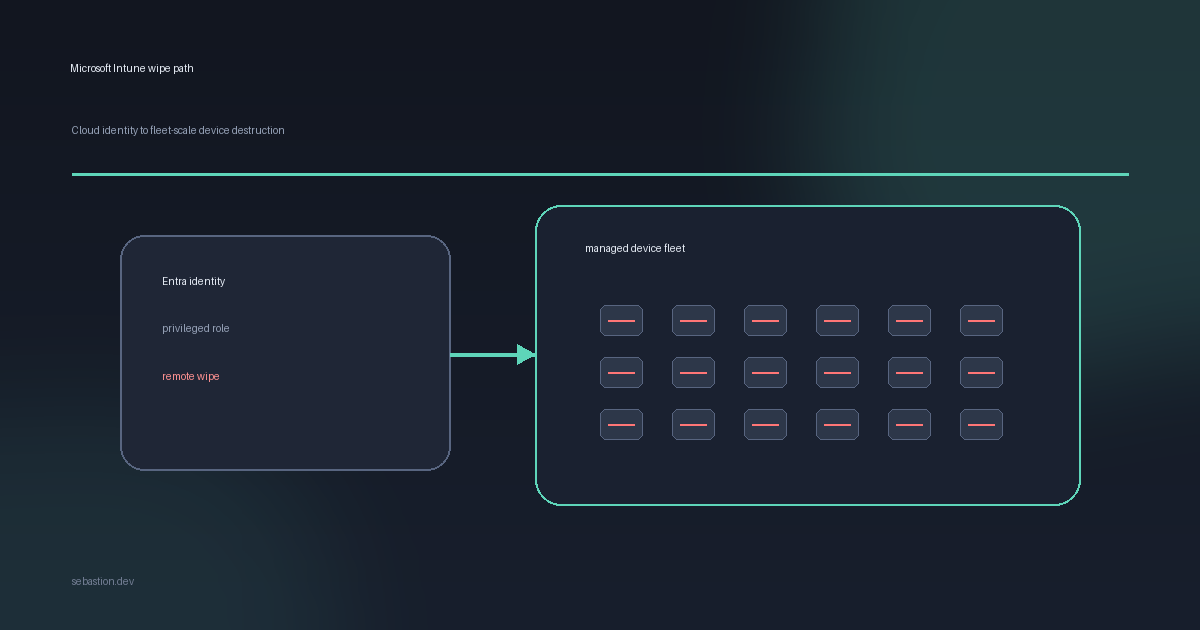
Attackers compromised Stryker's Microsoft Entra credentials and used Intune to remotely wipe tens of thousands of employee devices. No malware was deployed. CISA responded with an emergency hardening advisory.
LiteLLM, the universal LLM proxy with 95 million monthly downloads, was backdoored on PyPI for 46 minutes. It was enough.
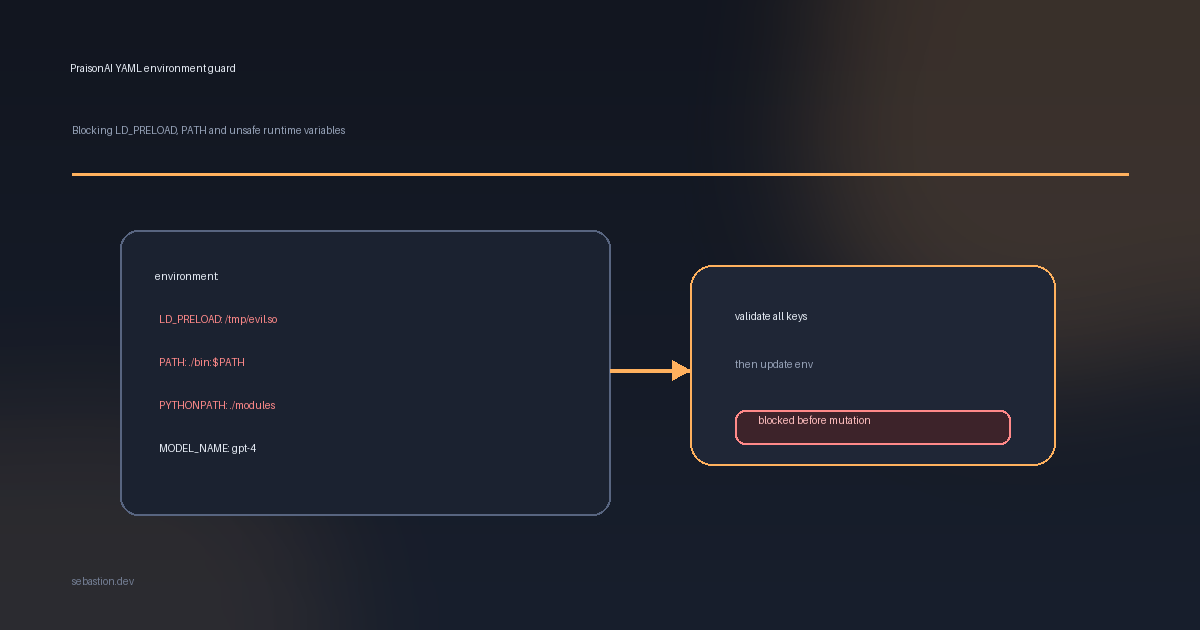
PraisonAI's schedule config YAML could set LD_PRELOAD, PATH and 26 other dangerous environment variables with no validation. The fix adds a blocklist and fail-closed validation.
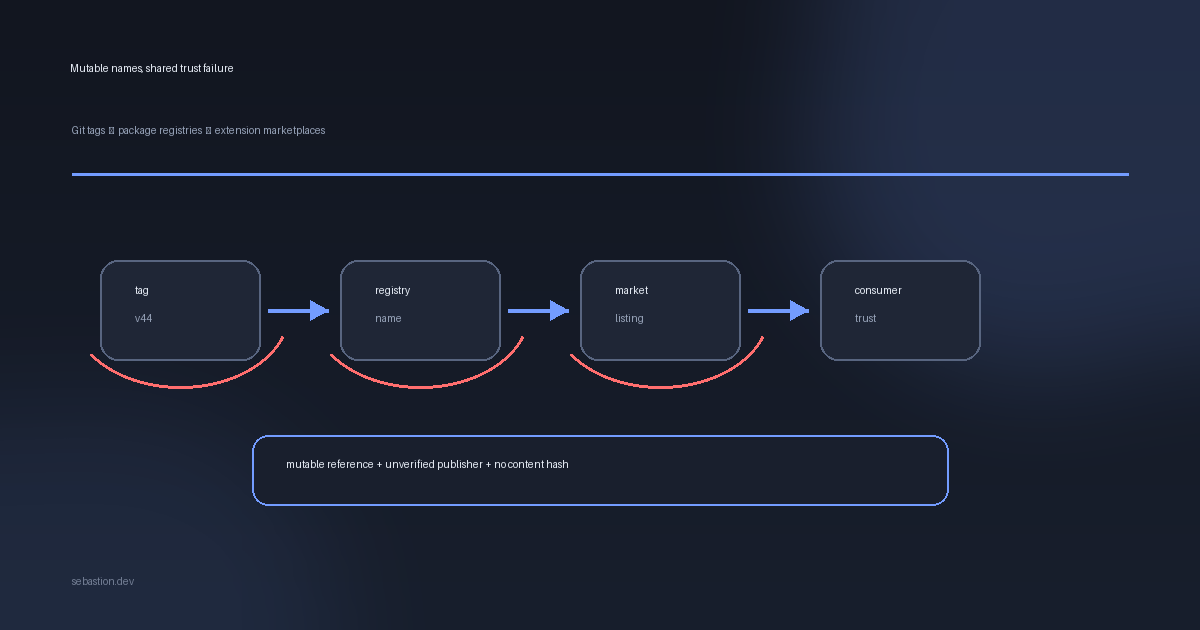
Git tags, package registries and AI extension marketplaces all share the same authentication failure - and attackers have noticed the pattern before defenders did.